12Jun

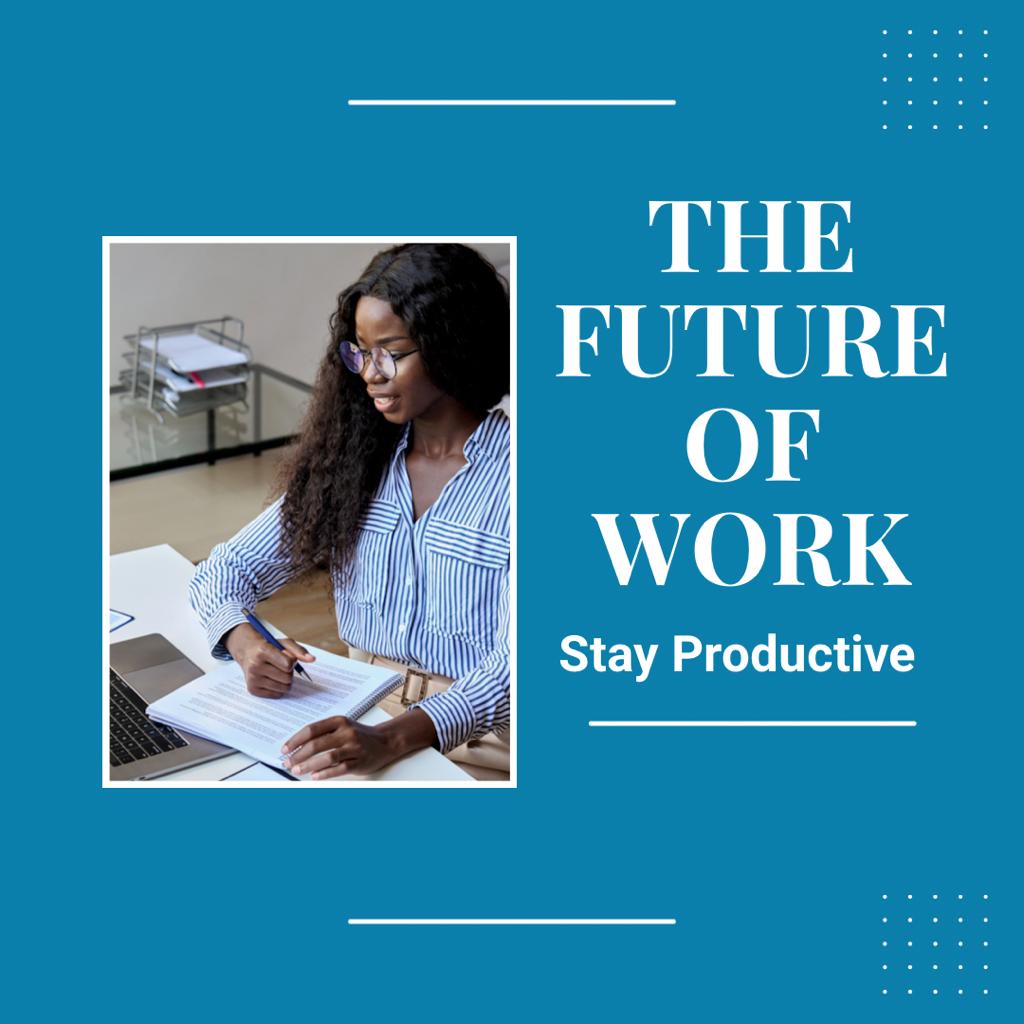
The Future of Work

With advances in technology and automation, the workplace is constantly evolving, and the future of work is expected to undergo significant changes.

With increased use of artificial intelligence (AI), various industries may reshape with routine and repetitive tasks being automated. This shift may lead to job displacement in certain sectors as well as creation of new job opportunities in emerging fields.

Many companies are embracing flexible work arrangements, allowing employees to work from anywhere improving work-life balance. The gig economy, characterized by short-term contracts and freelance work, is also growing rapidly. Technological platforms are enabling individuals to offer services directly to clients, bypassing traditional employment structures. While this shift is proving to provide flexibility and autonomy, also raises concerns about worker protections, benefits and income stability.

Overall, as technology evolves, there is a growing demand for individuals with advanced digital and technical skills. As professionals navigate the evolving landscape of work, here are some pieces of advice to consider:

  1. Embrace Lifelong Learning: Recognize the importance of continuous learning and proactively invest in developing new skills. Stay updated with industry trends, emerging technologies, and the changing demands of the job market. Seek out learning opportunities, both formal and informal, such as online courses, workshops, conferences, and networking events.
  2. Cultivate Adaptability and embrace change as a core skill. The ability to quickly learn new technologies, adapt to new work environments, and embrace different roles will be highly valuable. Develop a growth mindset and be open to new challenges and opportunities.
  3. Embrace technology as an enabler rather than a threat. Stay updated with emerging technologies relevant to your field and explore how they can enhance your work. Look for ways to leverage automation, AI, and digital tools to streamline processes, increase efficiency, and improve your productivity.
  4. Foster a Growth Network. Build a diverse professional network both within and outside your organization. Collaborate with colleagues, seek mentors, and engage in knowledge-sharing communities. Networking can provide valuable insights, support, and potential opportunities for collaboration and career advancement.
  5. Stay Agile and Resilient: The future of work may bring uncertainties and disruptions. Develop agility and resilience to navigate through challenges. Embrace a problem-solving mindset, be willing to take calculated risks, and learn from failures. Seek support from colleagues, mentors, or coaches to help you navigate transitions and overcome obstacles.
  6. Cultivate a Personal Brand: In a competitive job market, having a strong personal brand can make a difference. Build an online presence through platforms like LinkedIn or personal websites. Showcase your expertise, share valuable insights, and engage with others in your industry. Establishing a personal brand can help you stand out and attract professional opportunities.
  7. Take Care of Yourself: Amidst the changes and demands of the future of work, prioritize self-care and well-being. Maintain a healthy work-life balance, practice stress management techniques, and prioritize activities that bring you joy and fulfillment outside of work. Remember that your well-being is essential for long-term success and productivity.

09Jun

LinkedIn Revamp and Optimization

Revamping and optimizing your LinkedIn profile are essential for professional branding, increasing visibility, networking, job search, and career development. It helps you present yourself effectively, connect with the right people, and leverage LinkedIn as a powerful tool for advancing your professional goals.

This is Important for Several Reasons:

Professional Branding: LinkedIn is a platform specifically designed for professionals, and it serves as an online representation of your personal brand. Revamping and optimizing your LinkedIn profile helps you present yourself in the best possible light, highlighting your skills, experience, and accomplishments. It allows you to build a professional image and showcase your expertise to potential employers, clients, and colleagues.

Increased Visibility: When you optimize your LinkedIn profile, you increase the chances of being discovered by recruiters, hiring managers, and other professionals in your industry. LinkedIn has a powerful search function that enables people to find others based on specific criteria such as job title, location, skills, and more. By incorporating relevant keywords and optimizing your profile for search, you improve your visibility and increase the likelihood of being found by the right people.

Networking Opportunities: LinkedIn is a valuable platform for networking and establishing connections with professionals across various industries. A well-optimized profile can attract the attention of individuals who share similar interests or work in complementary fields. When you revamp your profile and make it more engaging and informative, it becomes easier to connect with like-minded professionals, expand your network, and unlock new opportunities for collaboration, mentorship, or job prospects.

Job Search and Career Development: LinkedIn is widely used by recruiters and employers as a primary source for finding and vetting candidates. By optimizing your profile, you make it easier for recruiters to assess your qualifications and suitability for job opportunities. A well-crafted profile can also attract inbound inquiries from recruiters or headhunters who are actively seeking candidates with your skills and experience. Additionally, LinkedIn provides access to job postings, career groups, and industry-specific communities, making it a valuable resource for career development and job search.

Thought Leadership and Industry Influence: LinkedIn offers various features, such as publishing articles, sharing insights, and participating in industry discussions. When you revamp your profile and optimize it to highlight your expertise, you position yourself as a thought leader in your field. By regularly sharing valuable content and engaging with others in a meaningful way, you can enhance your professional reputation, establish credibility, and gain influence within your industry.

17Apr

Top Ways To Be Happy At Work

  1. Find a career you enjoy. This starts with self-awareness. Navigate your occupational options to choose and train for jobs that suit your personality, skills and interests.
  2. Find a job that gives you time outside work. A good work-life balance means you have harmony between the different aspects of your life. Globally, many people are learning to blend their work and personal lives successfully.
  3. Take charge of your own professional and personal Development. Professional development will help you acquire the knowledge and skills that can improve your efficiency at work while personal growth will help you develop your communication and social skills including aspects of emotional well-being. Both not only help improve your confidence but also adds to your credibility while allowing you make more meaningful contributions to your team.
  4. Take responsibility for knowing what is happening at work. Understanding the organization and its dynamics is critical for career success. You got to have a feel for and good understanding of how your organization works and have a firm grasp on processes, results and outcomes if you want to progress within the system.
  5. Ask for feedback frequently. Every time you start a new project or work with a new team, it important to ask for feedback. This demonstrates to others that you are committed to improving your skills and contributing to your team. Most importantly, identify the right people to ask for feedback, graciously reflect and review, be willing to accept information with a positive, open mind.
  6. Only make commitments you can keep. There are several reasons why work commitment is important. One of the most important reasons is it allows an organization to meet its goals and stick to its vision. Don’t make many commitments beyond you can deliver but for each, make with perfect clarity and precision.
  7. Avoid negativity. Surround yourself with positive people, fill your mind with positive input, control your language, don’t rely on an outside source of positivity and create high points in each day and week.
17Apr

Career Growth, Career Development and Career Change

While CAREER GROWTH focuses on your long-term improvement and eventual promotion through positions in your chosen field including your salary, title and reputation, CAREER DEVELOPMENT focuses more on short-term growth that include skills, abilities and credentials. This involves choosing a career, improving your skills and advancing along a career path.

It’s a lifelong process of learning and decision-making that brings you closer to your ideal job, skillset, lifestyle and work life balance. Tis achieved in stages that include exploration, establishment, mid-career, late career and decline.

CAREER CHANGE on the other hand involves the use of skills you gained from one profession and applying them to a completely new career. There are 3 key steps you can take to find success anywhere you are.

Step 1: Be open to and ready to Change.

When it comes to careers, change is the only constant. Career change has cache. Changing Jobs can be a strength and an asset in your professional development. It can show that you are flexible, adaptable, resilient and that you have created problem solving abilities. Change is growth, an opportunity to learn. You can do it and most importantly, enjoy it! If you want to.

Step 2: Embrace the experiences, Ditch the titles.

Today, a successful career is not known based on a single job title but the process of diligently developing and quickly adapting a set of skills to answer life’s challenges. WHAT ARE THE SKILLS THAT YOU CONSISTENLY USE IN EVERYTHING YOU END UP DOING? Therein lies your strength, your path to success.

By embracing the experiences, you expand your employment options and can better enjoy the journey.

Step 3: Make meaningful connections.

Ask questions, seek advice, let the world know what you can and want to do.

YOUR GUIDE TO MAKING A SUCCESSFUL CAREER CHANGE IN 2023

  • Map out your goals, identify short-term milestones along the way and give yourself reasonable timelines.
  • Explore your interests, perfect and polish your personal brand to boost your career search.
  • Identify job titles related to your passions then focus on expanding your network while continually developing your skills.
  • Most of all, don’t be scared or disheartened by the search for your new career.
× How can I help you?